The Pious Dance by Klaus Mann
Editor's
Pick

LGBTQ+ Library · Weimar Classics

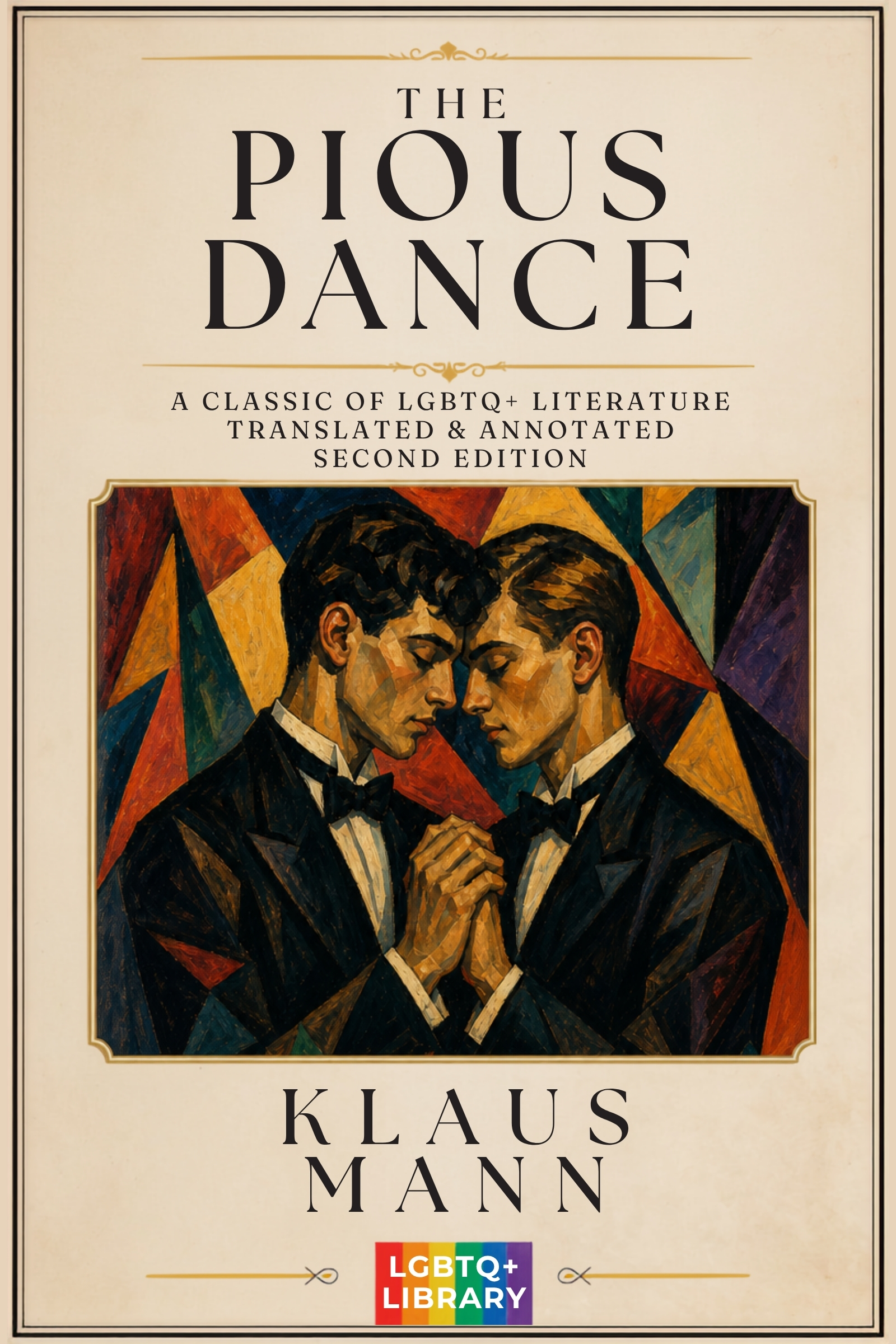
The Pious
Dance

by Klaus Mann

A groundbreaking literary classic of LGBTQ+ literature, first published in Germany in 1926 — set in the gay underground of Berlin and Paris's nightclub scenes.

First Published Berlin, 1926
Original Language German
Edition Ovid Publishing Group
Formats eBook · Audio · Print
New English Translation · Weimar Berlin 1926 · LGBTQ+ Classic · First Transgender Character in 20th-Century Literature · Scholarly Essays & Annotations · Klaus Mann · New English Translation · Weimar Berlin 1926 · LGBTQ+ Classic · First Transgender Character in 20th-Century Literature · Scholarly Essays & Annotations · Klaus Mann ·

About the Book

A milestone in LGBTQ+ literary history

A Groundbreaking Literary Classic of LGBTQ Literature by Klaus Mann, First Published in Germany in 1926. Set in the Gay Underground of Berlin and Paris's Nightclub Scenes, the Novel Features the First Unapologetic Transgender Character in 20th-Century Literature.

The Pious Dance (Der fromme Tanz), Klaus Mann's first novel, published when he was just twenty years old, stands as a groundbreaking work of early modernist German literature and a significant milestone in LGBT+ literary history. Written with the raw authenticity of youth, this semi-autobiographical work captures the spirited and tumultuous atmosphere of Weimar-era Berlin through the eyes of its protagonist, Andreas Magnus, a thinly veiled version of Mann himself.

The novel's autobiographical elements are unmistakable, as Mann draws heavily from his own experiences as a young gay artist navigating Berlin's vibrant and permissive cultural scene of the 1920s. Through Andreas, Mann explores his own struggles with artistic identity, sexual awakening, and the search for meaningful connection in a world of fleeting encounters. The protagonist's journey through Berlin's cabarets, artistic circles, and underground gay venues mirrors Mann's own explorations of the city's liberal atmosphere during the Weimar Republic.

Historically, The Pious Dance provides an invaluable snapshot of a unique moment in German cultural history, documenting the brief period of sexual and artistic freedom between World War I and the rise of Nazism. The novel's frank depiction of Berlin's gay subculture, drag shows, and bohemian artistic circles offers modern readers a rare contemporary account of this sexually liberated era.

The novel is particularly noteworthy for its pioneering representation of LGBT+ characters. Mann's matter-of-fact portrayal of homosexual relationships and desire was revolutionary for its time. The character of Paulchen, a transgender performer, is especially significant as one of the first sympathetic depictions of a transgender character in 20th-century literature. Mann presents these characters without moral judgment or sensationalism, a radical departure from contemporary literary treatments of such subjects.

"The first unapologetic transgender character in 20th-century literature — written by a twenty-year-old in 1926 Berlin."

Ovid Publishing Group Edition

Ovid Publishing Group Edition

What this edition includes

A new English translation from the original German text
An introduction by the editor
Endnotes to each act of the novel
Chapter-by-chapter critical analysis
Full author biography
Three original scholarly essays

The Three Scholarly Essays

IKlaus Mann's "The Pious Dance": A Work Beyond Definition
IIBeyond Binary: Early Trans Representation in Klaus Mann's Der fromme Tanz and the Evolution of LGBTQ+ Literature
IIIDancing Toward Tomorrow: Queer Utopian Longing in Klaus Mann's "The Pious Dance"

Perfect For

Who reads this book

·Readers of classic, vintage, and historical literary fiction
·Fans of gay romance and LGBTQ+ literature
·Fans of forbidden love stories and hidden histories
·Readers interested in early 20th-century German social and cultural history
·Anyone who loved The Price of Salt, The Magic Mountain, The Well of Loneliness, and Mephisto
·Readers of Thomas Mann, Franz Kafka, Stefan Zweig, and Hermann Hesse
·Book clubs exploring underrepresented voices in literary history
·Collectors of rare and annotated texts

Part of the LGBTQ+ Library

Ovid Publishing Group's LGBTQ+ Library

Ovid Publishing Group's LGBTQ+ Library brings forgotten and overlooked works of queer literature back into print through new English translations and carefully annotated editions. Specializing in public domain works from the 18th through early 20th centuries, the collection recovers voices that were censored, prosecuted, published anonymously, or simply lost to time.

Each edition pairs faithful new translations with scholarly introductions that place these works in their historical and cultural context, ensuring that the pioneers of LGBTQ+ literature finally reach the modern readers they were written for.

About the Author

Klaus Mann

Klaus Mann

Klaus Mann, c. 1930s

Klaus Mann

Klaus Mann was born in Munich to one of Germany's most distinguished literary families. His father was the renowned novelist Thomas Mann, and his mother Katia came from a wealthy Jewish intellectual family. Growing up in the shadow of his father's success created a complex relationship, marked by both admiration and a struggle to establish his own identity. He shared a particularly close bond with his sister Erika Mann, with whom he collaborated on various theatrical and literary projects throughout their lives.

Unlike many of his contemporaries, Mann was openly gay from an early age — a brave stance in the early 20th century. His orientation influenced much of his writing and personal life, and he never attempted to hide it despite the social stigma of the time.

His literary career began in his teens, and by his early twenties he had published several works. His first novel, The Pious Dance (1926), was groundbreaking in its frank portrayal of Berlin's gay subculture. The novel, while not a commercial success, established Mann as a bold new voice in German literature.

In 1933, Klaus and his family fled Germany. He traveled extensively through Europe, Africa, and the United States, eventually settling in America where he became a U.S. citizen in 1943. During his exile, he continued to write prolifically, producing some of his most significant works including Mephisto (1936).

During World War II, Mann joined the U.S. Army and became one of the "Ritchie Boys" — a special military intelligence unit composed largely of German-speaking immigrants. After the war, he battled depression and drug addiction, ultimately taking his own life in Cannes, France, in 1949. He is now recognized as an important voice in 20th-century German literature, particularly in LGBT literature and exile writing.

Continue Reading

More from Ovid Publishing Group

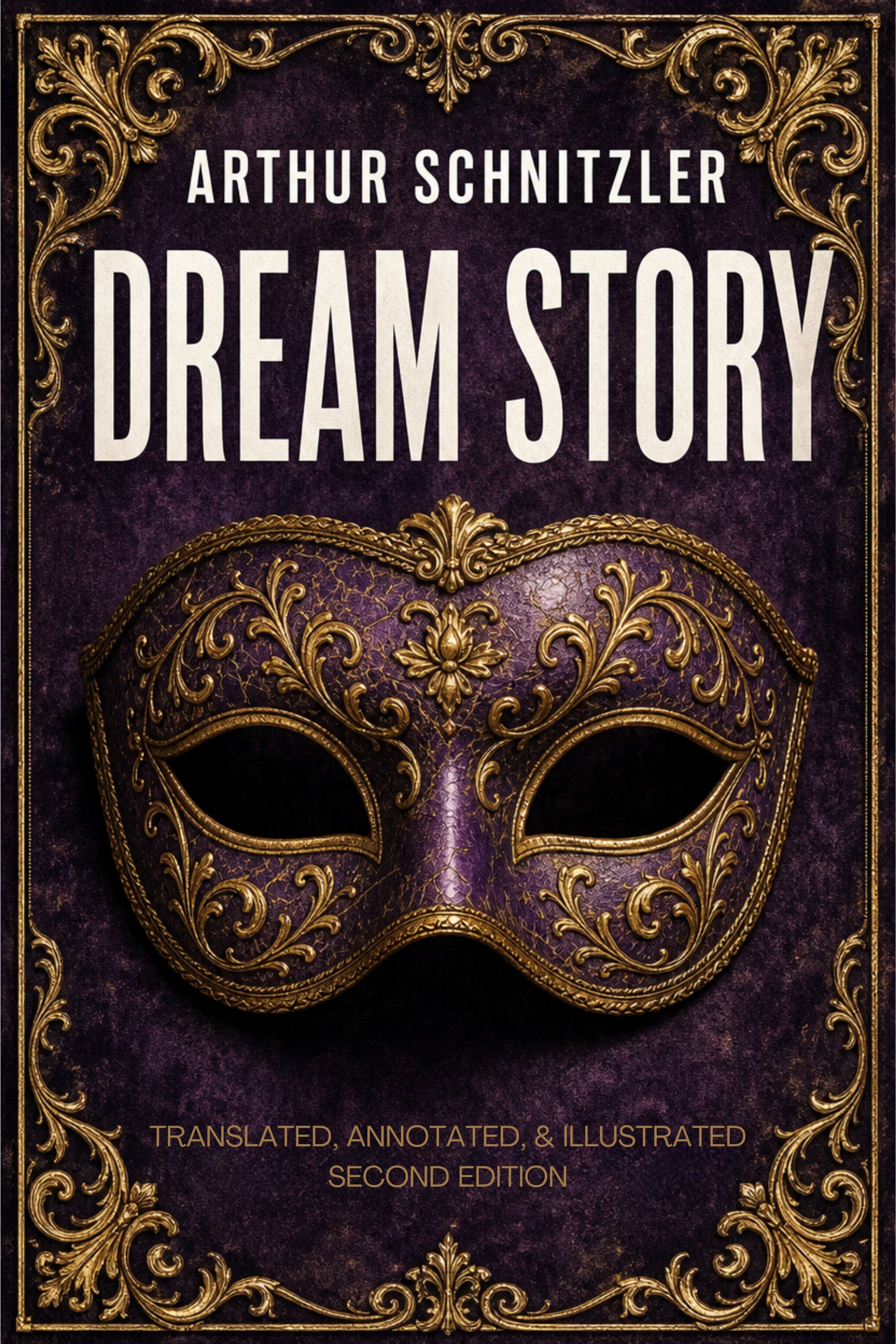
Dream Story
Dream Story
Arthur Schnitzler
Learn More
The Round Dance
The Round Dance
Arthur Schnitzler
Learn More
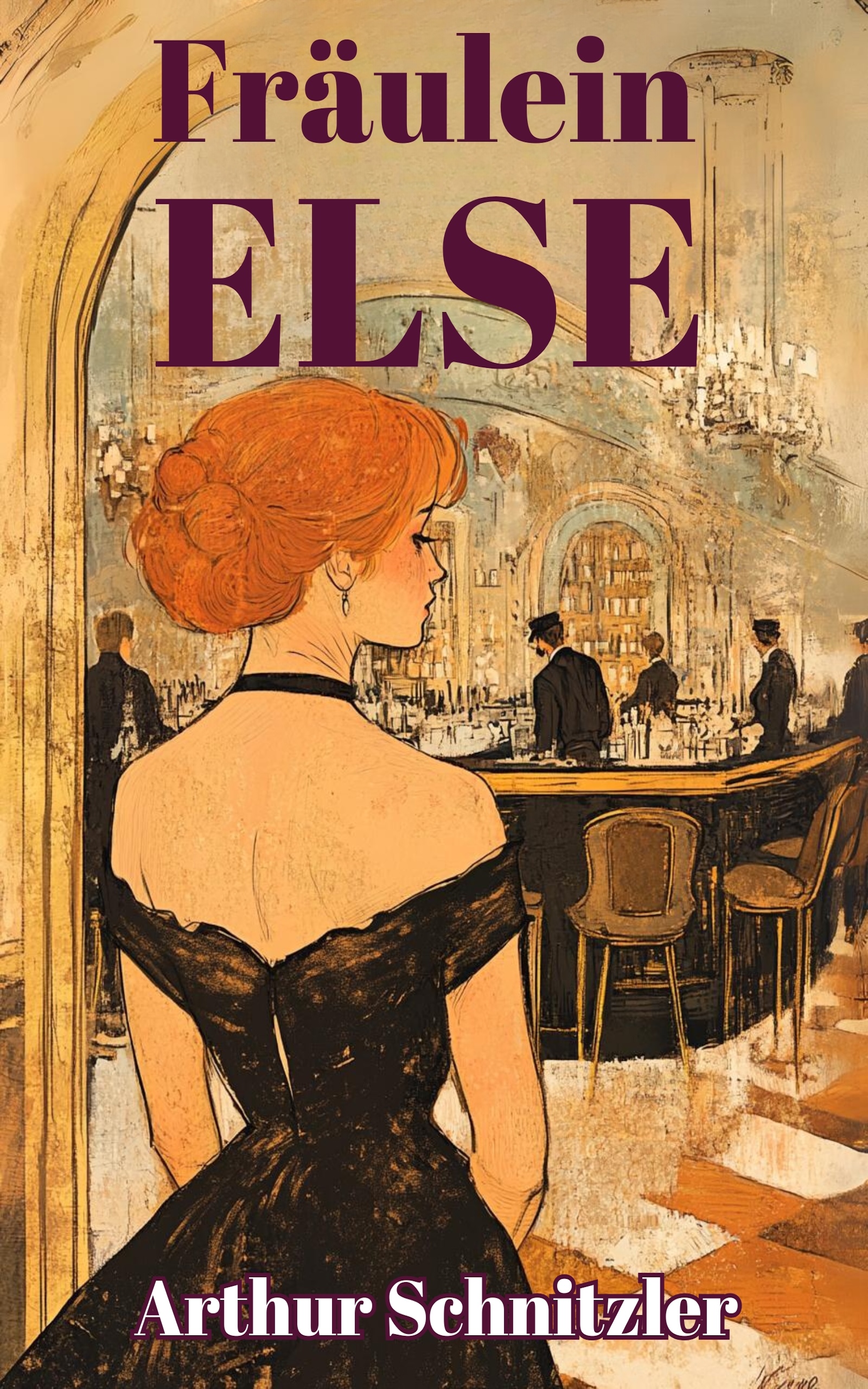
Fräulein Else
Fräulein Else
Arthur Schnitzler
Learn More
Ghost Stories
Ghost Stories & Gothic Tales
Edith Wharton
Learn More
You Can't Win
You Can't Win
Jack Black
Learn More
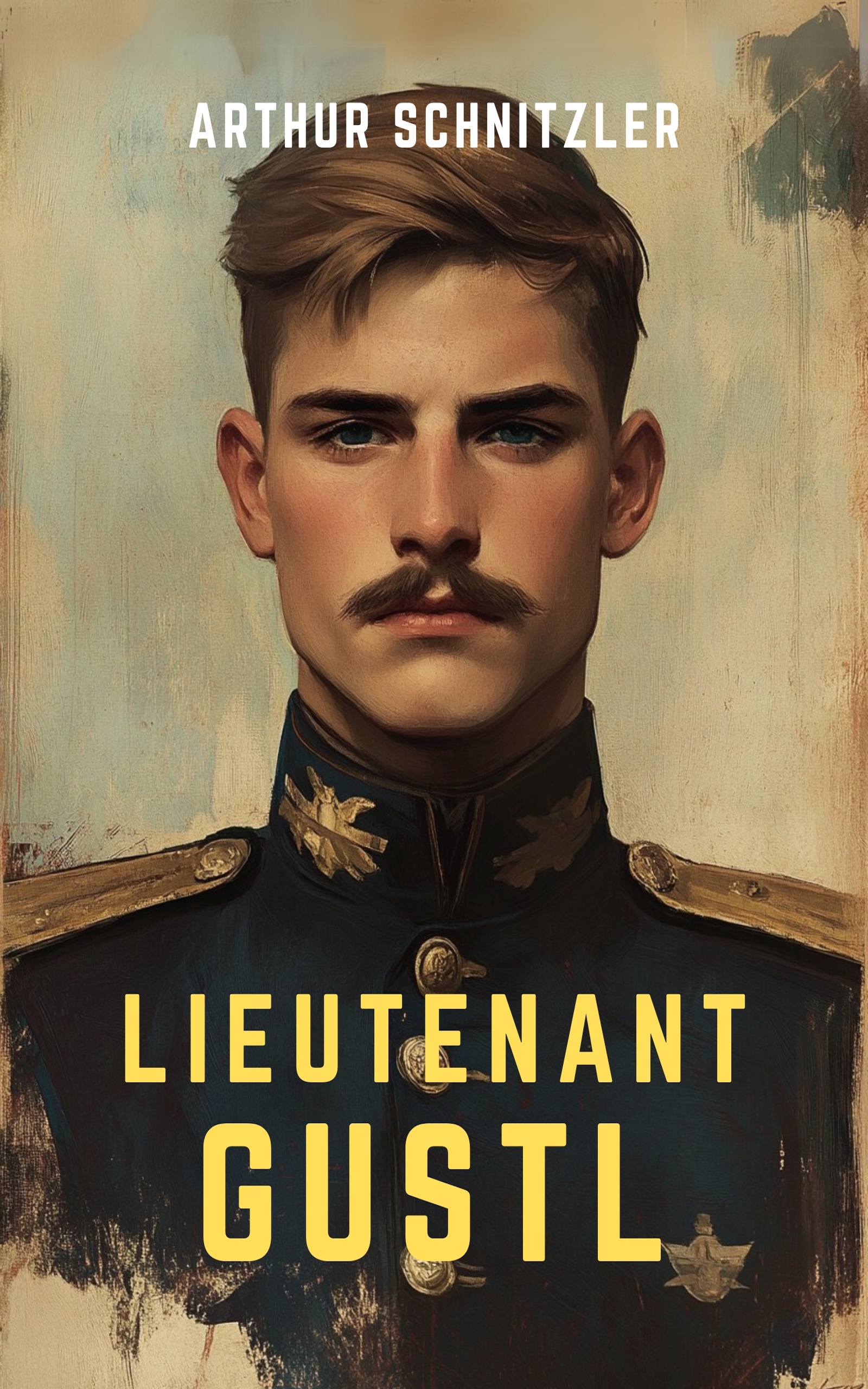
Lieutenant Gustl
Lieutenant Gustl
Arthur Schnitzler
Learn More